

How 24/7 Video Surveillance Protects Your Stored Belongings
How 24/7 Video Surveillance Protects Your Stored Belongings
Habib Ahsan
April 5th, 2026
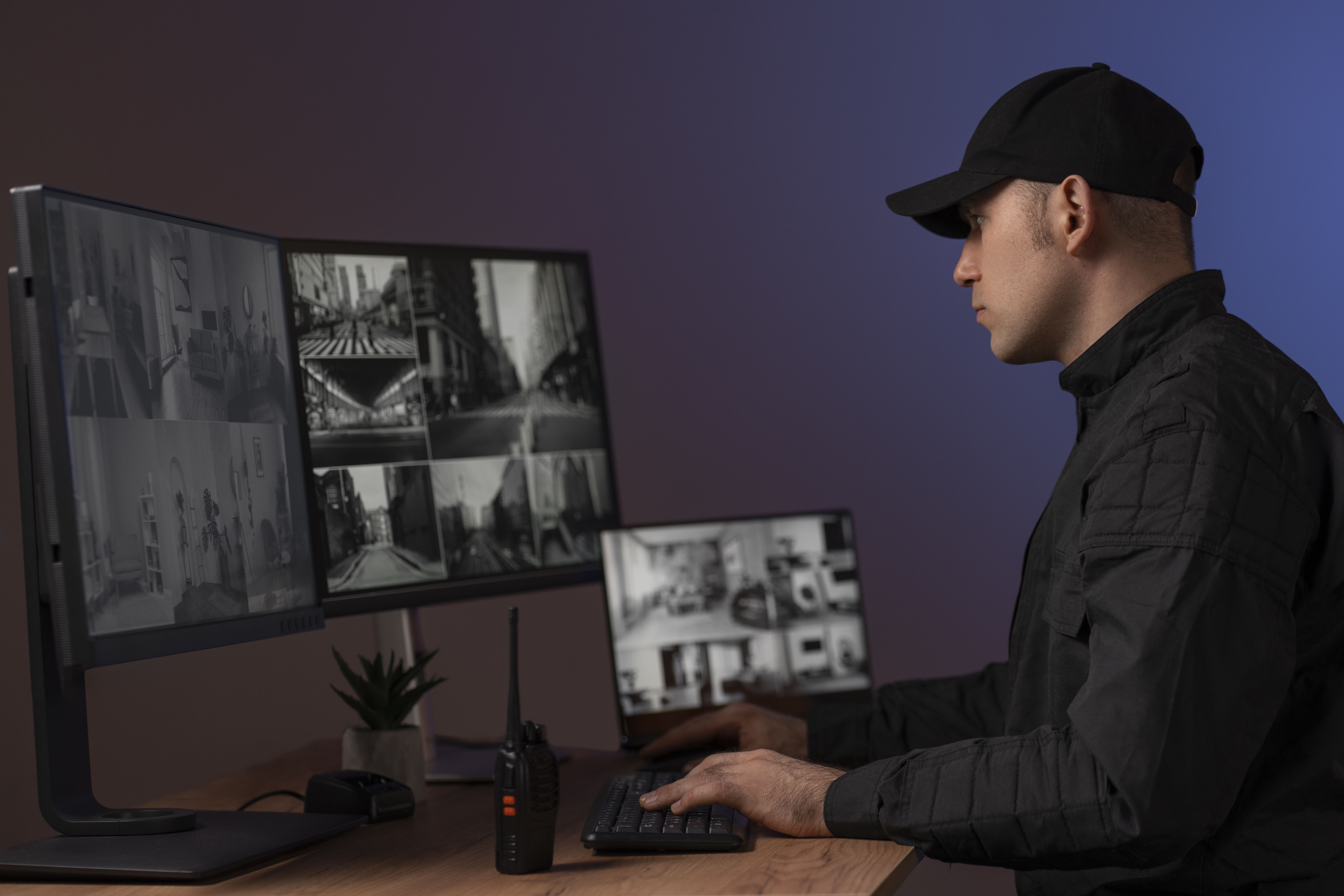
When you store your belongings, you’re not just looking for space—you’re trusting a facility to keep your items safe. Many people assume a strong lock is enough. In reality, most security issues happen outside the unit, not inside it. This is where 24/7 video surveillance plays a critical role. This guide explains how continuous surveillance works, what it protects against, and how to choose a facility that actually keeps your items secure.
What 24/7 Video Surveillance Really Means
Continuous Recording vs. Motion Detection
Not all surveillance systems are equal.
- 24/7 recording systems:Record continuously, day and night Capture all activity, even small or unexpected events
- Motion-only systems:Only record when movement is detected Can miss important moments
Why it matters:
If something happens between motion triggers, it may not be recorded at all.
Coverage Areas That Actually Protect You
Good surveillance is about where cameras are placed, not just how many there are. Key areas that should always be covered:
- Entry and exit gates
- Driveways and parking areas
- Hallways and storage unit rows
- Corners and less visible areas
What to watch for:
If certain areas are not covered, they become easy targets.
Clear Video Quality
Video footage is only useful if it’s clear.
- High-definition cameras help identify:
Faces
License plates
- Night vision ensures visibility after dark
- Zoom capability allows closer inspection of incidents
Bottom line:
Blurry footage won’t help if something goes wrong.
What 24/7 Surveillance Protects Against
Unauthorized Access
One of the most common risks is people entering the facility without permission.
- Following another vehicle through the gate
- Attempting access during quiet hours
How surveillance helps:
- Acts as a visible deterrent
- Records who entered and when
Theft and Break-Ins
Storage theft usually happens when a facility looks easy to access. Common risks include:
- Lock tampering
- Forced entry attempts
With surveillance:
- Criminals are less likely to target monitored locations
- Incidents are recorded for investigation
Damage and Vandalism
Not all issues are theft. Sometimes items are damaged accidentally or intentionally. Examples:
- Vehicles hitting structures
- Property damage in shared areas
Surveillance helps by:
- Identifying what happened
- Providing proof for claims
Suspicious Activity
Even if nothing is stolen, unusual behavior can be a warning sign.
- Repeated visits to multiple units
- Loitering in low-traffic areas
Monitoring helps detect patterns early, reducing risk before it becomes a problem.
How Surveillance Works with Other Security Features
Controlled Access Systems
Many facilities use gated entry with access codes.
- Each renter has a unique code
- Entry times are logged
When combined with surveillance:
- You can match who entered with video footage
- It creates a clear record of activity
Lighting and Visibility
Cameras work best in well-lit environments.
- Bright lighting reduces blind spots
- Improves video clarity at night
If a facility is dark in key areas, surveillance becomes less effective.
Monitoring and Response
Surveillance is most effective when someone reviews it.
- Staff may check footage during business hours
- Some facilities use remote monitoring after hours
Faster response means issues are handled before they escalate.
Real-Life Situations Where Surveillance Helps
Late-Night Access
A vehicle enters the facility at an unusual hour.
- Cameras capture:
Entry time
Vehicle details
Movement within the property
Result:
Activity can be reviewed quickly, reducing risk.
Damage to Property
An item is damaged, and the cause isn’t clear.
- Video shows:
When it happened
What caused it
Result:
Clear answers instead of guesswork.
Disputes Over Access
Someone claims they didn’t visit their unit.
- Surveillance confirms:
Exact access times
Who was present
Result:
Disputes are resolved using facts.
What 24/7 Surveillance Does NOT Do
It’s important to understand the limits.
- It does not replace your personal lock
- It does not guarantee zero incidents
- It does not record inside your unit
Takeaway:
Surveillance is one layer of protection, not the only one.
How to Choose a Secure Storage Facility
Questions to Ask
Before renting, ask:
- Is recording truly 24/7 or motion-based?
- How long is footage stored?
- Are all areas covered?
- Is the system actively monitored?
Red Flags to Avoid
- Poor lighting at night
- Cameras only at the entrance
- No clear information about security features
- Visible blind spots
Signs of Strong Security
- Cameras placed throughout the property
- Clean, well-maintained facility
- Controlled gate access
- Good lighting in all areas
Practical Tips to Improve Your Storage Security
Even with surveillance, your actions matter.
- Use a strong, high-quality lock
- Avoid storing extremely valuable items without proper protection
- Visit occasionally to check your unit
- Choose units in visible, high-traffic areas
Final Thoughts — Why 24/7 Surveillance Matters
Security isn’t just about having cameras—it’s about having the right system in place. 24/7 video surveillance helps by:
- Deterring unwanted activity
- Recording events clearly
- Supporting quick resolution if something happens
Categories