

Climate Storage vs Garage: Real Cost Comparison for Texas Homeowners
Climate Storage vs Garage: Real Cost Comparison for Texas Homeowners
Habib Ahsan
April 3rd, 2026
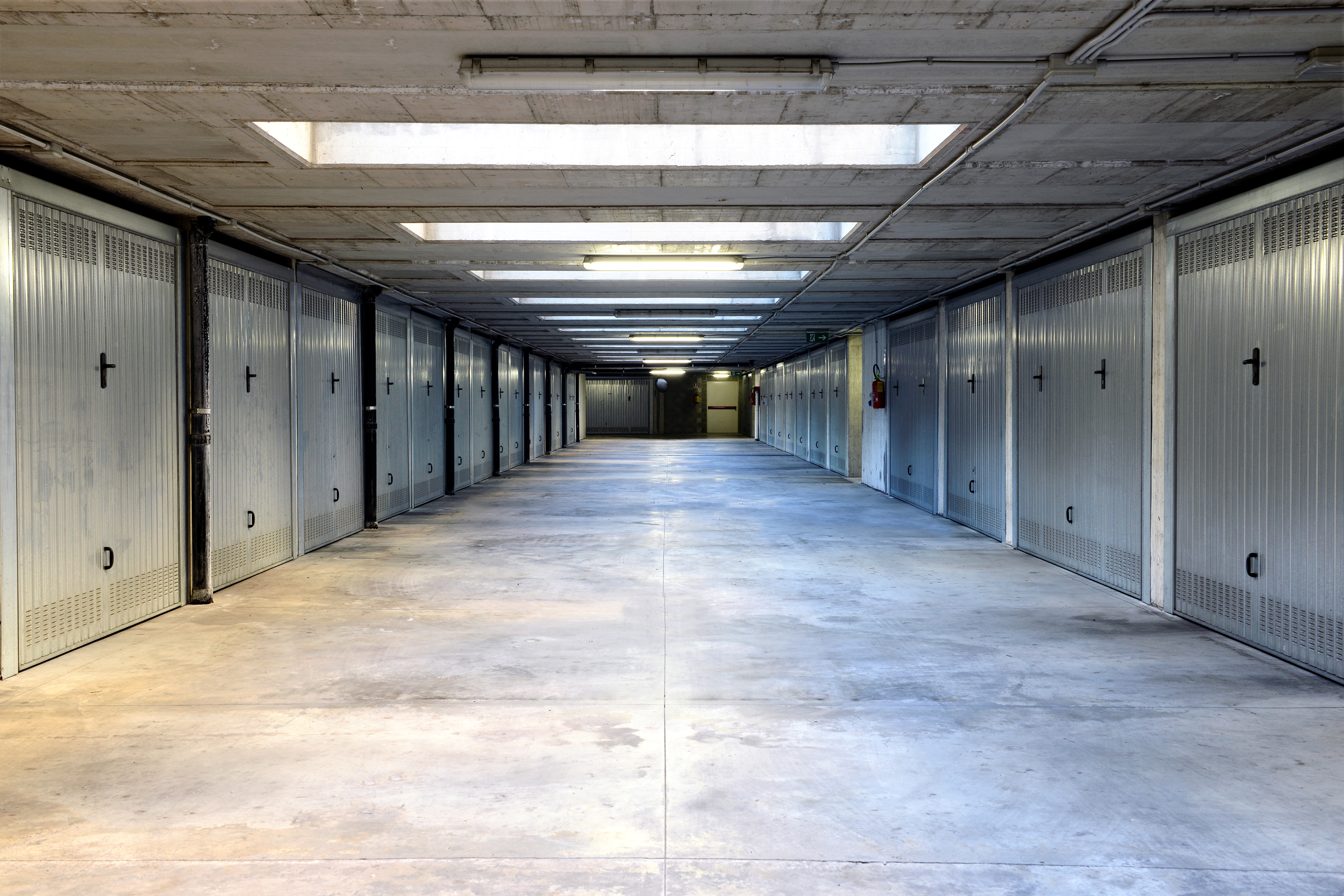
Introduction, Is Your Garage Really “Free” Storage?
Many Texas homeowners use their garage for storage because it seems free. No monthly bill, no contract. But in reality, garage storage often comes with hidden costs—especially in Texas heat and humidity. This guide breaks down the real financial impact of garage storage versus climate-controlled storage, so you can make a smarter decision based on actual numbers—not assumptions.
Understanding Texas Storage Conditions
Extreme Heat Is the Biggest Risk
In Texas, summer temperatures regularly exceed 95°F. Inside a garage, that heat builds up fast.
- Garage temperatures often reach 110–130°F+
- Daily temperature swings stress materials
- Heat damage is often gradual and unnoticed
What gets damaged first:
- Electronics (batteries swell, circuits fail)
- Furniture (wood warps, glue weakens)
- Plastic items (bend or melt)
Humidity Causes Silent Damage
Texas humidity creates long-term issues, even if items look fine at first.
- Average humidity: 60–90%
- Mold can begin forming within 1–3 days
- Moisture builds up in enclosed boxes
Common damage:
- Clothes develop mildew smell
- Documents curl and deteriorate
- Metal items begin to rust
Pests Thrive in Garage Spaces
Garages are not sealed environments. Small gaps allow pests to enter easily. Typical problems:
- Rodents chew wires and fabric
- Insects contaminate stored items
- Nesting inside boxes and furniture
Even a minor infestation can ruin large portions of stored belongings.
The True Cost of Garage Storage
Replacement Costs Add Up Quickly
What seems like “free storage” can become expensive fast.
- TV replacement: $300–$1,500+
- Sofa or mattress: $500–$3,000+
- Clothing and personal items: $300–$1,000+
One incident can exceed years of storage costs.
Mold and Cleaning Costs
Once mold appears, it spreads quickly.
- Basic cleanup: $500–$1,500
- Moderate cases: $2,000–$6,000
- Severe damage: $10,000+
In many cases, items must be thrown away completely.
Pest Damage and Repairs
Pests don’t just damage items—they can create safety issues.
- Pest control services: $150–$500/year
- Electrical repairs from chewed wires: $500–$2,500
- Structural damage: $1,000+
Loss of Garage Space
Using your garage for storage has indirect costs:
- Vehicles parked outside → sun damage, hail exposure
- Reduced usable space for work or organization
- Clutter impacts home value perception
What Climate-Controlled Storage Offers
Climate-controlled storage is designed to eliminate these risks.
Stable Temperature and Humidity
- Temperature stays between 55°F–80°F
- Humidity is controlled to prevent mold
- Items remain in consistent condition year-round
Cleaner, Safer Environment
- Regular pest control reduces infestations
- Sealed units limit exposure to dust and moisture
- Indoor units add an extra layer of protection
Security Features
Most facilities include:
- 24/7 video monitoring
- Controlled gate access
- Individual unit locks
Real Monthly Cost Comparison
Garage Storage (Hidden Costs)
When you factor in risk, garage storage isn’t truly free. Estimated monthly impact:
- Heat/humidity damage risk: $50–$200
- Pest-related risk: $20–$100
- Space opportunity cost: $50–$300
Estimated true cost: $120–$600+ per month
Climate-Controlled Storage (Actual Cost)
Typical pricing in Texas:
- Small unit (5x5): $40–$80/month
- Medium unit (10x10): $90–$150/month
- Large unit (10x20): $150–$250/month
You’re paying a fixed cost to avoid unpredictable losses.
Real-Life Cost Scenarios
Storing Furniture for 6 Months
- Garage: Risk of warping or mold → $1,000+ loss
- Climate storage: ~$600–$900 → items preserved
Storing Electronics and Documents
- Garage: High likelihood of damage → $1,500–$3,000 loss
- Climate storage: ~$300–$600 → no damage
Seasonal Storage (Clothes & Decorations)
- Garage: Pest and mildew damage → $300–$1,000 loss
- Climate storage: ~$200–$500 → items reusable
When Garage Storage Still Works
Garage storage can make sense in limited cases:
- Short-term use (under a few weeks)
- Low-value items:Tools Outdoor equipment
- Items stored in sealed plastic bins
Even then, protection is limited.
When Climate Storage Is the Smarter Choice
Climate-controlled storage becomes the better option when:
- Storing items longer than 1 month
- Items have moderate to high value
- Items are sensitive to heat or moisture
- Total value exceeds $1,000–$2,000
Practical Tips to Reduce Risk
If You Use a Garage
- Elevate items off the floor
- Use moisture absorbers
- Seal visible gaps
- Avoid storing valuables long-term
If You Use Climate Storage
- Choose the right unit size
- Use shelving to maximize space
- Keep frequently used items accessible
Final Verdict — What Actually Saves Money?
Garage storage may seem free, but the risks are high—especially in Texas conditions. Climate-controlled storage offers:
- Predictable costs
- Protection from damage
- Long-term savings
Categories